
The British Royal Navy and local authorities now stand ready to respond rapidly together to a storm sweeping through Montserrat after completing a major disaster relief rehearsal.
Patrol ship HMS Trent is currently on station in the Caribbean, providing reassurance to British Overseas Territories during the region’s hurricane season.
Their most recent stop during their island-hopping mission was to Montserrat for an intensive programme of collaborative training, demonstrations and engagements with the Disaster Management Coordination Agency (DMCA), Royal Montserrat Defence Force (RMDF) and Royal Montserrat Police Service (RMPS).
The visit focused on sharing expertise, exchanging skills and providing opportunities for local responders and Royal Navy personnel to practice working together ahead of any future emergency, ensuring everyone is better prepared to coordinate their efforts during hurricane season and other potential crises.
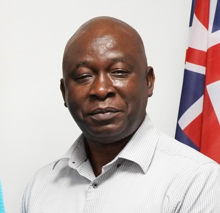
Lieutenant Colonel Alvin Ryan, Head of the DMCA and CO of the RMDF, said that working with HMS Trent has been a valuable opportunity to strengthen relationships, share expertise, and improve the island’s collective preparedness.
He reassures that these activities help ensure that Montserrat’s emergency response community is prepared to work together and support the island during times of crisis.
A central activity of the visit was a multi-agency tabletop exercise led by HMS Trent personnel and attended by representatives from the Her Excellency the Governor’s Office, DMCA, RMDF, RMPS, Port Authority, Fire and Rescue Service, and Department of Public Works.
The exercise explored how agencies would work together during a major incident, improving understanding of each organization’s capabilities, responsibilities and decision-making processes.
Surgeon Lieutenant Georgia Davies, HMS Trent’s Doctor who led the multi-agency tabletop exercise, said that effective emergency response starts long before a crisis occurs.
She adds that this exercise strengthened coordination between Montserrat’s local agencies and HMS Trent, building on local expertise and ensuring they can work together effectively when needed.
Colonel Davies states that whether facing hurricanes, volcanic activity or other emergencies, their role is to support and complement the island’s own response capabilities.
HMS Trent also showcased specialist capabilities that could support disaster response operations.
Personnel from 700X Naval Air Squadron conducted a demonstration of the Malloy quadcopter drone, flying supplies from ship to shore to illustrate how uncrewed systems could quickly deliver essential stores when roads, ports or other infrastructure are damaged or inaccessible.
A Puma UAS was also flown around the Soufrière Hills Volcano, demonstrating how aerial reconnaissance can help emergency responders assess damage, identify hazards and build situational awareness following a major natural disaster.
Lieutenant Charles Harper, commander of Scout Flight 700X NAS, said that Montserrat faces a unique range of hazards from severe weather to volcanic eruptions.
He explains that through the UAS demonstration, they have been able to show how UAS can support responders by rapidly gathering information and delivering supplies when access is limited or infrastructure is damaged.
Alongside these demonstrations, 24 Commando Royal Engineers’ Crisis Response Troop (CRT) worked with the Royal Montserrat Defence Force (RMDF) to share skills relevant to disaster response and resilience.
Royal Marines from 47 Commando Maritime Interdiction Operations also trained with the RMPS Marine Unit, strengthening interoperability and professional relationships.
The ship’s company also visited the Montserrat Volcano Observatory to gain a greater understanding of one of the island’s most significant natural hazards.
The visit provided valuable insight into the monitoring of the active Soufrière Hills Volcano and the challenges faced by those responsible for safeguarding the community.